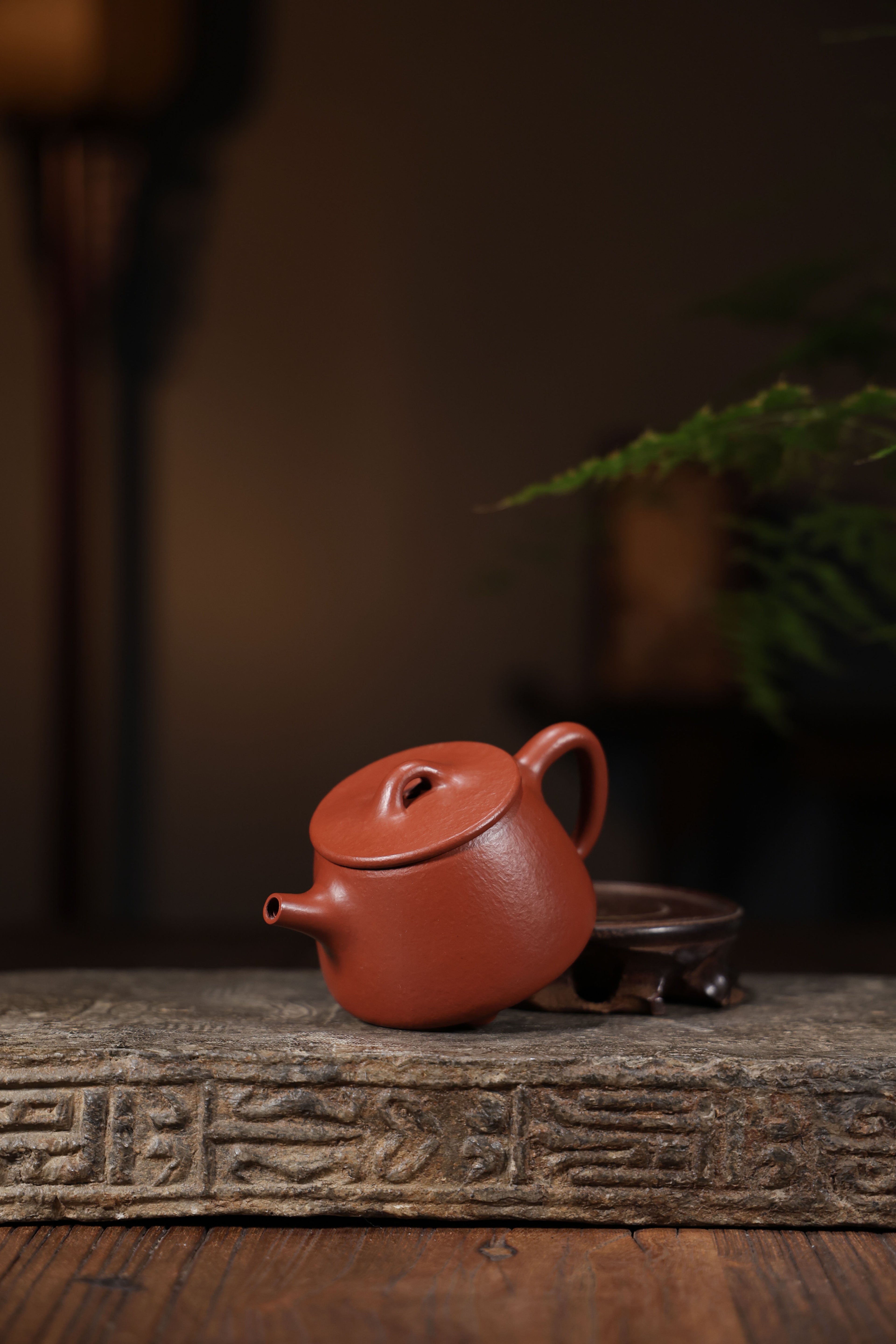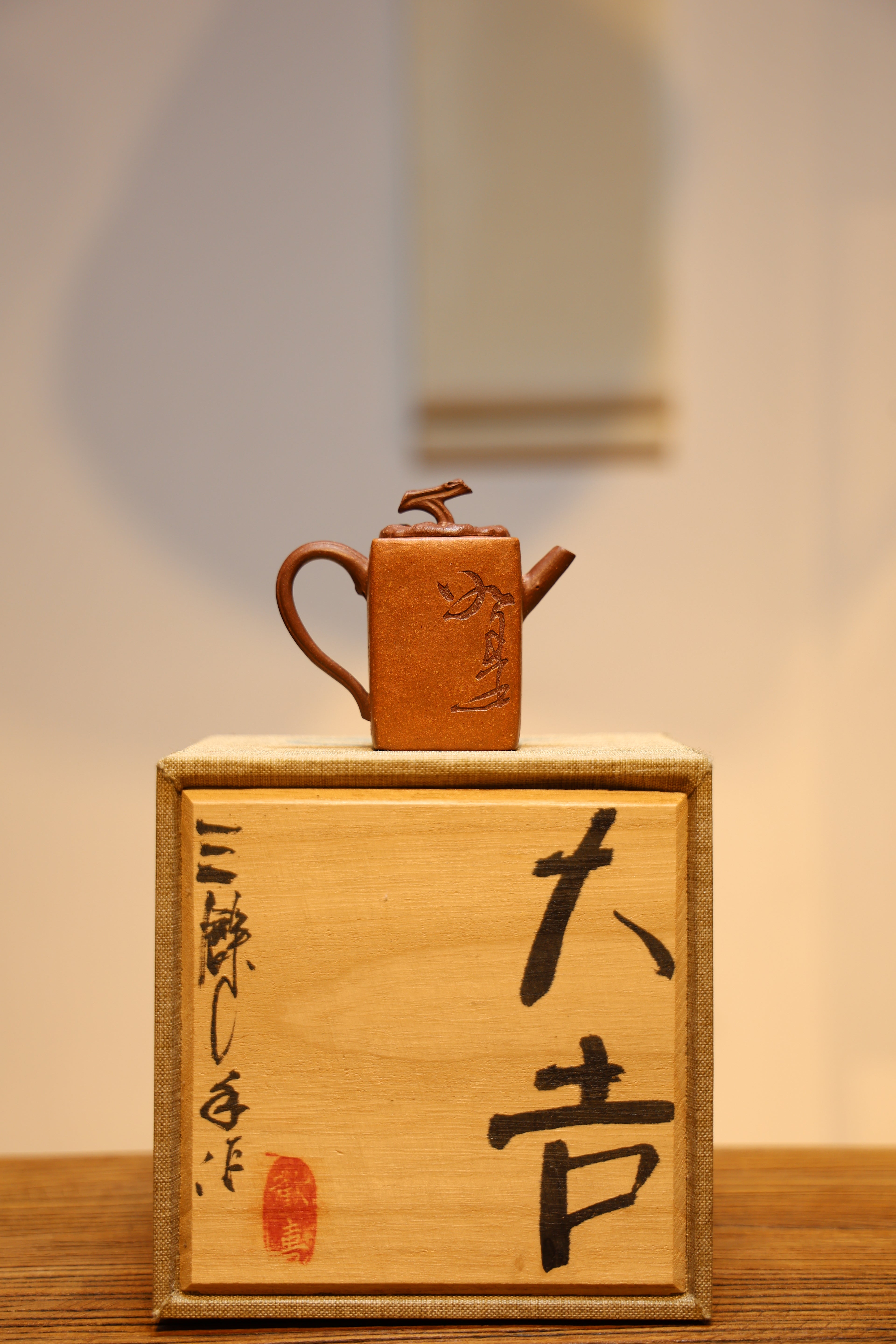
Ages of lovers have craved the particular fascination of Yixing Zisha pitchers. Founded in the scenic town of Yixing, the homeland, these urns are created from a scarce and dug purple clay famous for its remarkable thermal qualities and capacity to refine the note of concoctions. More than their useful merit, Zisha teapots manifest a time-honored traditional inheritance, making them considerably admired and a legitimate find for any dedicated teapot devotee.
Discovering Yixing Vessels
Yixing teapots display a extraordinary combination of history and seasoned craftsmanship. Existing in Yixing, Jiangsu Area of China, their narrative dates back the Ming Dynasty, although signs suggest earlier manifestations. The exceptional maroon clay, called Zisha, found solely in the Yixing region, is the principal component, contributing to the pots' outstanding heat maintenance and the manner they enhance the essence of tea. Sequences of potters have developed techniques—often transmitted through families—including crafting the clay, applying elaborate embellishments, and firing the pots at deliberate temperatures.- Originally, Yixing teapots were often furnished with simple designs.
- Thereafter, more advanced carvings and pictorial motifs became prevalent.
- The firing process itself is a key element, requiring prolonged intervals of skill.
Acquiring Zisha Teapots: Necessary Factors
Launching a quest to obtain Zisha jars can be satisfying, but it’s crucial to appreciate what to search for. Authenticity is critical; focus on the clay’s natural tint, a faint reddish-brown is usual. Examine the touch; genuine Zisha has a distinctive tactile sensation, often explained as slightly rugged. The form should be harmonious and consistent with established styles, while marks, if present, require close examination for truthfulness. Don’t refrain to consult with professional consultants or established contacts – their guidance is critical.
The Earthenware: Understanding the Lineage of Yixing Zisha Clay
Epochs have seen Yixing Violet Clay teapots keep a special role in Chinese tradition. These meticulously formed pots, sourced specifically from the region of Yixing, are renowned for their recognizable tone, grain, and their ability to amplify the quality of potions. Legions of collectors seek antique Yixing teapots, prizing them greatly not only for Chinese Teapot their aesthetic beauty, but also for the story they reflect.
Yixing Zisha Teapots: Exceptional Ultimate Selections and Their Aspects
Ming Clay teapots, native to the celebrated zone of Yixing, the state, are distinguished for their exclusive clay and remarkable brewing aptitudes. Inside the several Zisha types, the varieties that are highly valued include Qingtian. Binzhou, known for its strong purple shade and velvety texture, delivers a soft flavor. Duan Ni clay, recognizable by its brownish color and slightly grainy feel, is perceived to enhance a robustness. Lastly, Zhuni variety boasts an uncommon red tone and can convey a gentle nuance. Each form provides a individual experience, bringing them exceptionally desirable for tea enthusiasts.
Understanding Personal Purple Clay Cup
To discover the magic of your Yixing jar, familiarizing oneself with the correct system is key. These clay receptacles, celebrated for their passability, will progressively absorb the soul of the tea you prepare within them. Begin by scraping the container thoroughly with warm water. Then, use only excellent full leaf tea, as lower quality options can ruin the item’s delicate aroma. Always give the leaves to develop completely, and remember that with each brewing, your Yixing pitcher will become ever esteemed.
Preserving Your Beloved Zisha Item
Proper care for your Zisha container is essential to securing its character and esteem. Zisha clay, known for its unique cast and composition, requires mindful handling. Never use harsh agents, as these can harm the layer. After every action, rinse the pot with room temperature water and allow it to dehydrate completely.
- Sidestep soaking the kettle for extended stretches.
- Periodically use a soft cleanser cloth to wipe the exterior.
- Contemplate applying a thin layer of food-grade ointment inside the kettle after drying, which can curb staining.
Fundamentals of Yixing Pitchers
Yixing teapots, originating from the Yixing territory in Jiangsu Province, in the People's Republic, are celebrated for their distinctive characteristics. Created from the unique purple substance known as Zisha, these vessels are prized by infusion enthusiasts worldwide. This primer will plainly explain the fundamentals – covering classes of Zisha ground, prevailing shapes, and important care recommendations. Understanding the tradition of Yixing pitchers can enhance your appreciation for this traditional example of Oriental craftsmanship.
Trade of Asian Clay Pots: Concentrating on Zisha found in Yixing locality
Zisha compound from Yixing City represents the zenith of Mandarin container design, exhibiting a rare composition of genuine beauty and functional artistry. These extraordinary pieces are recognized for their deep hues, often extending between rich purples and auburn hues to muted greys and soft beiges. The distinctive mineral composition of the indigenous Zisha terrain imparts a identifying texture and offers a enjoyable aroma that boosts the entire beverage experience, transforming them greatly prized collectibles and critical components of any serious brew.